It was a challenge.
- patriciachirot
- 25 janv.
- 1 min de lecture
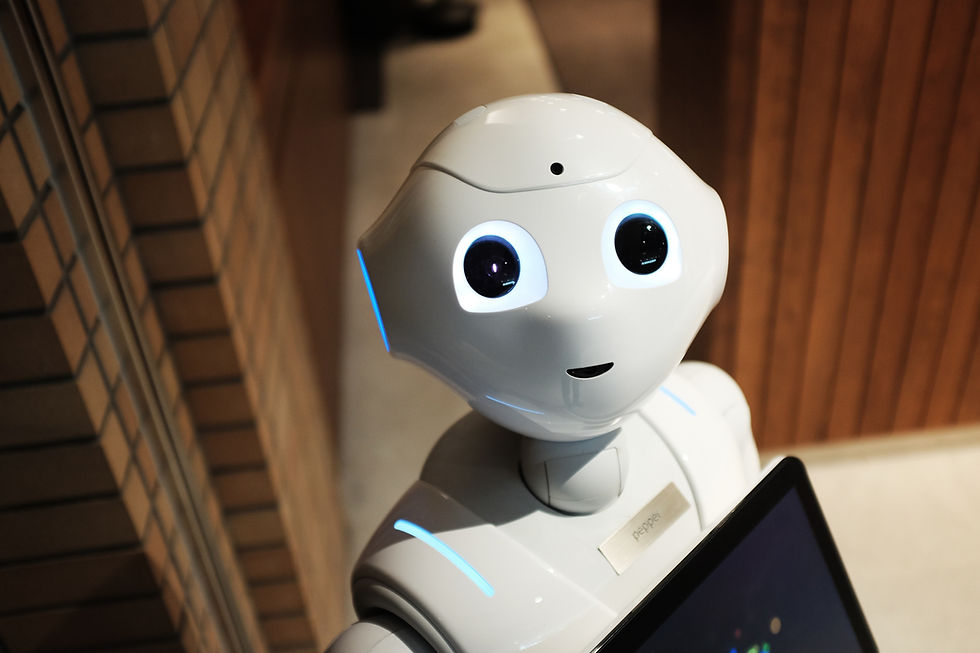
This engineer had already published at least one scientific paper in his field and wanted to prove to me that AI could generate a high-quality paper.
After selecting the words of his query, he showed me the response he had obtained in a matter of seconds.
I saw what seemed, at first glance, to be a summary of a scientific paper, with a few bibliographical references and scientific vocabulary referring to several concepts.
The rest did not correspond to the expected format: such a summary could not have been accepted for publication.
The bibliographical references were presented without any connection between them and the issue at stake was not apparent. There was no experimentation. Since they were not associated with any clearly defined experimentation, the concepts listed in this work had no basis. The conclusion was vague and conventional.
At best, the whole thing was a catalogue of knowledge strung together without any reflective feedback; at worst, it was verbiage.
Today, researchers are discovering that AI is capable of inventing scientific experiments and publications. Today, researchers responsible for assessing a publication must read the texts listed in the bibliography and ensure the scientific authenticity of a paper. These tasks are time-consuming and meticulous, but essential. The aim is to guarantee the veracity of a text submitted for publication. The knowledge made available to the scientific community through publications documents the subsequent work of other researchers.
This is a crucial issue for the future and credibility of scientific research. This is food for thought.


Commentaires